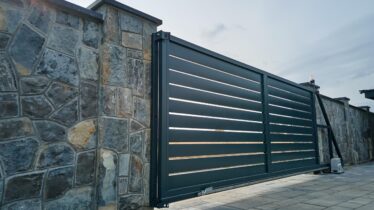
Driveway Gates Regulations UK: Do You Need Planning Permission?
If you’re considering installing driveway gates at your residential property in the UK, understanding the rules is essential. From height limits to conservation area restrictions, UK planning permission rules can feel confusing — but getting them right protects your home, your safety and your investment. In this guide, we’ll walk you through the key driveway gates regulations UK homeowners need to know, including when planning permission is required, how local authorities make decisions, and what to consider before choosing a new driveway gate or upgrading an existing gate.
Key Takeaways
- Planning permission is required in certain situations depending on height, location, nearby highways, and whether your property is listed or within the curtilage of a listed building.
- Most homeowners can install gates under permitted development rights, but rules change if your proposed driveway gate sits next to a highway or is over the set height limits.
- Automated gates and automation systems must comply with strict UK safety standards.
- Failing to comply with planning rules can lead to enforcement action, legal penalties, or orders to remove the gate entirely.
Do You Need Planning Permission for Driveway Gates?
Before you install gates, the first question is whether you need planning permission. Many properties benefit from permitted development rights, but there are clear situations where you must seek planning permission from your local planning authority.
You may need planning permission if the gate is over 1 metre and is next to a highway, public road or public pavement; if the gate is over 2 metres anywhere else on your property; if you live in a conservation area, national park, or Area of Outstanding Natural Beauty; if the gate is within the curtilage of a listed building or near a neighbouring listed building; or if you are replacing an existing boundary feature such as a wall, fence or gate with something taller, wider or materially different.
If you’re unsure, Ursa Gates always recommends checking with your local planning authority before you install gates or begin a gate installation project.
Height Restrictions and Planning Rules
UK planning rules include clear height restrictions. Gates next to a highway or public pathways must not exceed 1 metre before you require approval. Gates on a private road, unadopted road, or other boundary can be up to 2 metres. Replacing an existing gate in the same location and at the same height usually falls under permitted development. If the new gate exceeds these limits, planning permission is required. Working outside these limits without permission may be considered illegal construction.
Location: Highway, Boundary Lines & Site Considerations
A “highway” includes more than just a road. It covers public pavements, bridleways, footpaths and public roads. Any gate installed next to a highway that exceeds 1 metre will require planning permission.
If a boundary involved is unclear, check property deeds, Land Registry plans or request a site survey. Setting a new gate back around 5 metres from a public road is recommended so vehicles can wait safely without blocking traffic.
Installing Driveway Gates in Conservation Areas & Listed Buildings
Properties in a conservation area or those within the curtilage of a listed building face stricter regulations. You will likely need to seek planning permission for any proposed driveway gate changes. Local authorities assess visual impact, materials, style and how the gate affects the area’s character.
If your home is a listed building, or you live near a neighbouring listed building, you may also need listed building consent before upgrading or installing driveway gates.
Replacing an Existing Gate or Existing Fence
If you are replacing an existing gate or existing fence using the same location and keeping roughly the same height or appearance, planning permission may not be required. However, if the upgrade changes the height, visibility or introduces automated gates, your local council may still require approval. When in doubt, obtain planning permission in advance to avoid future enforcement action.
Automated Gates, Sliding Gates & Safety Regulations
Whether you choose swing gates, sliding gates or electric automation systems, UK regulations prioritise safety. Your gate installation must include obstacle detection, safe opening speeds, emergency stops, sensors and correct alignment.
Automated gates must always open inwards. Gates open outward onto a public pavement or public road can create hazards and may breach local regulations. If gates open outward or open outwards by mistake, enforcement action may follow.
Environmental & Planning Conditions
Some properties require additional approval, including homes in a national park, protected environmental sites or those with planning conditions attached. Even if your gate meets standard height limits, you must comply with any planning condition unique to your specific property.
Working With Local Planning Authorities
Your local planning authority or local council will assess whether you require planning permission and review your planning application. Most councils encourage homeowners to submit clear drawings showing gate height, ground level changes, materials, boundary lines and whether the gate will fully open inside the property. Always wait for approval before starting installation.
What Happens If You Don’t Comply?
Failing to comply with planning rules can lead to enforcement notices, orders to remove or change the gate, fines or legal action. If the council decides planning permission is required but not obtained, enforcement action is likely.
Choosing the Right New Driveway Gate
When selecting a new driveway gate, consider aesthetic style, curb appeal, strength, security, material, size, suitability for automation and how it interacts with your driveway’s ground level. A well-chosen gate boosts both security and visual appeal while complying with permitted development rights.
Professional Gate Installation
A professional installer ensures safety, compliance and reliable operation. They also advise whether you require planning permission, measure accurately, install automation systems correctly and prevent issues such as gates opening outward or failing to fully open inside the driveway.
Final Thoughts
Understanding driveway gates regulations in the UK ensures your installation complies with planning rules and safety standards. Whether you’re replacing an existing gate or planning a new gate installation, always check with your local planning authority, especially in conservation areas or near listed buildings. Ursa Gates can help you understand the regulations, choose the best design for your driveway and install gates to the highest safety standards.